York Tonnage By Model Number
Decoding York HVAC Tonnage: A Comprehensive Guide
Choosing the right size HVAC system is crucial for comfort, efficiency, and longevity. An undersized unit will struggle to cool or heat your space, leading to discomfort and higher energy bills. An oversized unit, on the other hand, will cycle on and off too frequently, reducing efficiency and potentially causing premature wear and tear. York, a reputable HVAC manufacturer, offers a wide range of systems, and understanding how to determine their tonnage based on the model number is essential for making an informed decision. This guide provides a detailed overview of York tonnage identification, factors influencing sizing, key features, and considerations when selecting a York HVAC system.
Understanding HVAC Tonnage
Tonnage, in HVAC terms, refers to the cooling capacity of an air conditioner or heat pump. One ton is equivalent to 12,000 BTUs (British Thermal Units) per hour. This measurement represents the amount of heat the unit can remove from a space in one hour. Residential HVAC systems typically range from 1.5 to 5 tons, depending on the size of the home, insulation, climate, and other factors.
Decoding York Model Numbers for Tonnage
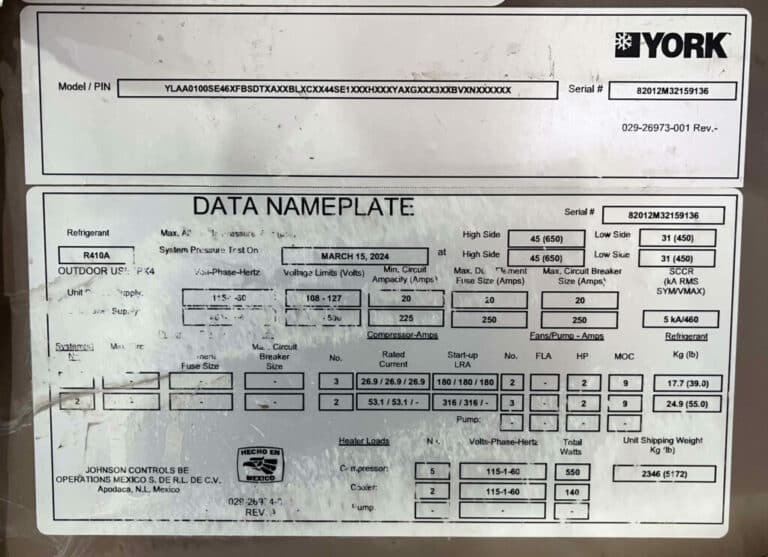
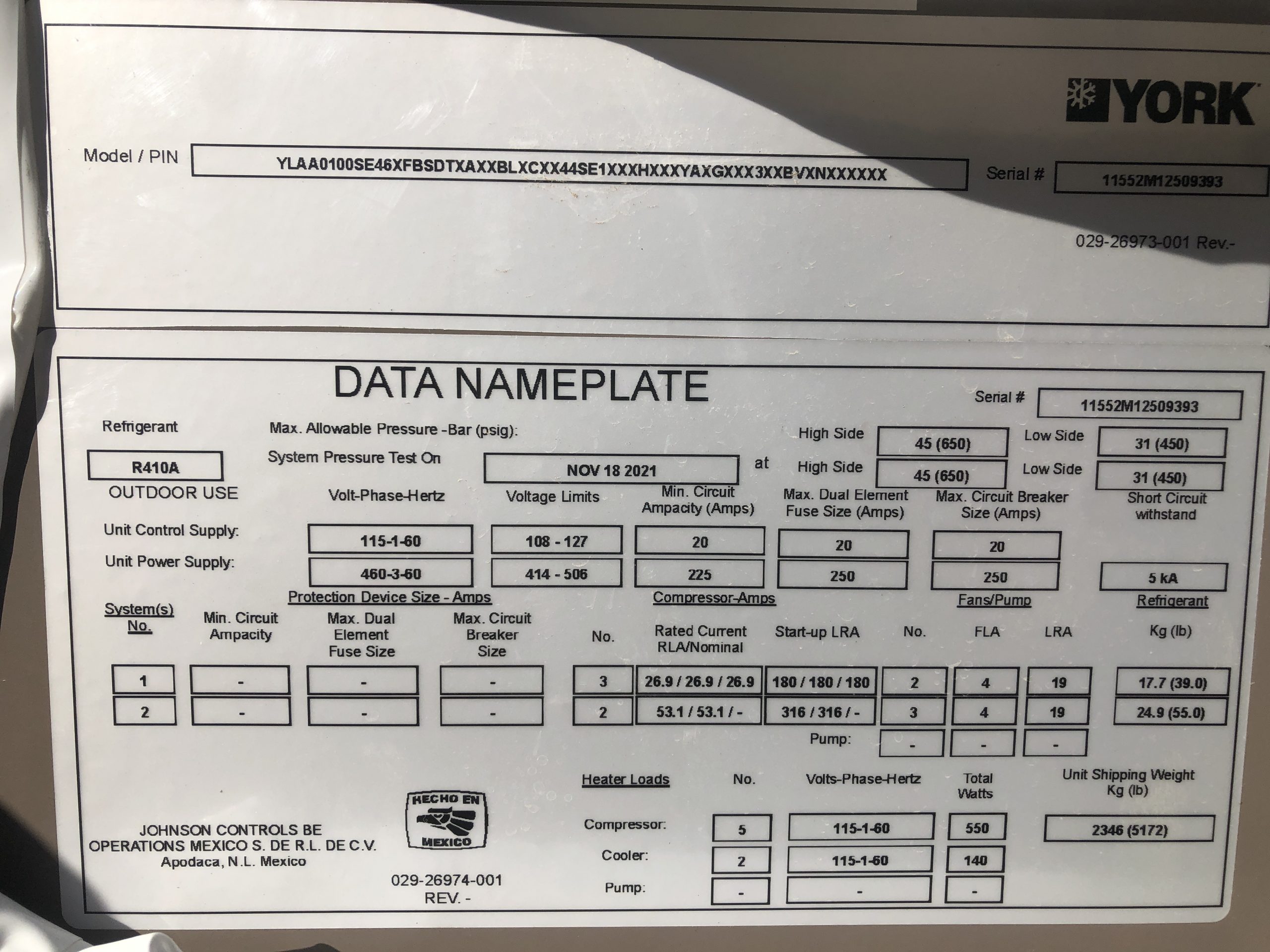
York HVAC model numbers contain vital information, including the unit's cooling capacity. While the exact format may vary slightly depending on the product line and year of manufacture, the tonnage is usually embedded within the model number using a numerical code. Here's how to decipher it:
General Rule: Look for a two-digit number, often divisible by six or three, within the model number. Divide this number by 12 (or multiply by 1,000 then divide by 12,000) to determine the tonnage. For instance, a model number containing "18" signifies a 1.5-ton unit (18,000 BTU/hr / 12,000 BTU/ton = 1.5 tons). A model number containing "36" indicates a 3-ton unit (36,000 BTU/hr / 12,000 BTU/ton = 3 tons), and a model number containing "60" signifies a 5-ton unit (60,000 BTU/hr / 12,000 BTU/ton = 5 tons).
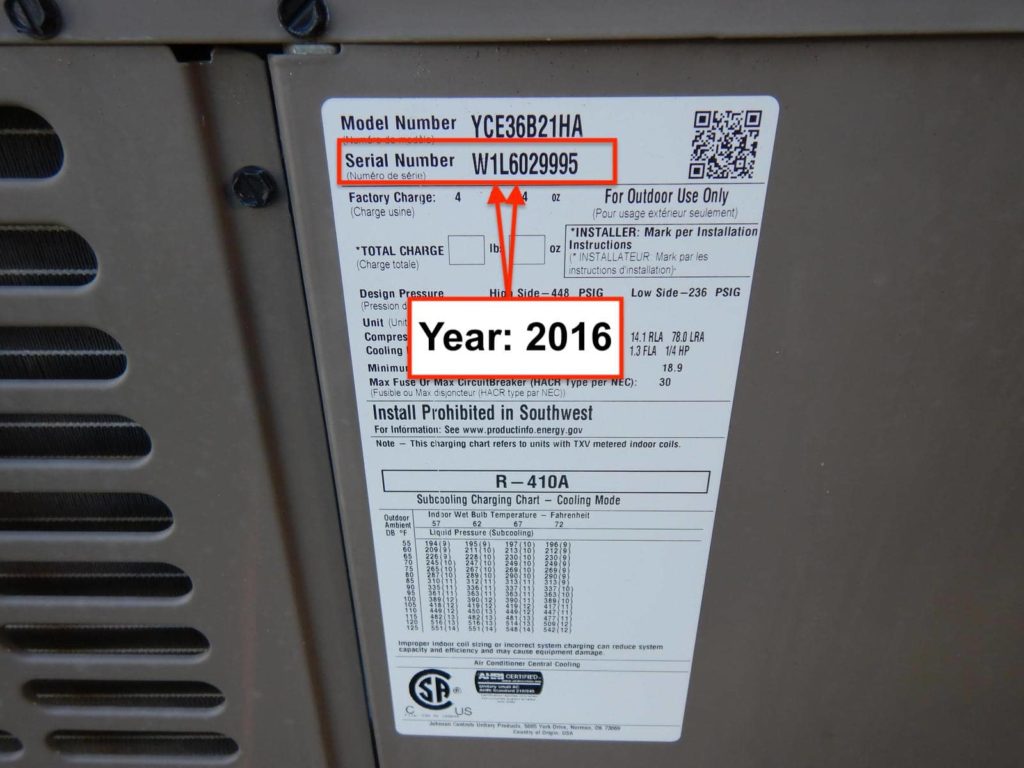
Example: Consider a York model number like YCD36B21S. The "36" in the model number indicates a 3-ton unit. Similarly, a model with YCJD24S41S indicates a 2-ton unit.
Important Note: Always consult the manufacturer's specifications or product documentation to confirm the exact tonnage. Online product finders, provided by York dealers, can also provide precise specifications.
Factors Influencing HVAC Sizing
Determining the correct HVAC tonnage for your home requires careful consideration of several factors:
- Square Footage: The size of your home is a primary factor. Generally, a 20 BTU/hr per square foot rule of thumb can be used as a starting point for cooling load calculations, but is an oversimplified method.
- Climate: Homes in hotter climates require larger units than those in milder climates.
- Insulation: Adequate insulation reduces heat gain in the summer and heat loss in the winter, potentially allowing for a smaller unit.
- Windows: The number, size, and type of windows affect heat transfer. Energy-efficient windows can significantly reduce the cooling and heating load.
- Orientation: Homes facing south or west receive more direct sunlight, increasing the cooling load.
- Occupancy: The number of people living in the home affects the heat generated.
- Ceiling Height: Higher ceilings increase the volume of air to be conditioned.
- Ductwork: Properly sized and sealed ductwork is essential for efficient airflow and performance.
It is highly recommended to have a qualified HVAC professional perform a Manual J load calculation to accurately determine the appropriate tonnage for your home. This calculation takes all relevant factors into account to ensure optimal performance and efficiency.
York HVAC Systems: Key Features and Benefits
York offers a diverse range of HVAC systems designed to meet various needs and budgets. Here's an overview of some popular models and their key features:
York Affinity™ Series
The Affinity™ series represents York's premium line of HVAC systems, offering high efficiency, advanced features, and quiet operation. These units often feature:
- High SEER Ratings: SEER (Seasonal Energy Efficiency Ratio) measures cooling efficiency. Affinity™ models often achieve SEER ratings of 20 or higher.
- Variable-Speed Compressors: Variable-speed compressors adjust their output to match the cooling or heating demand, resulting in greater efficiency and more consistent temperatures.
- Quiet Operation: Advanced sound dampening technology minimizes noise levels.
- Smart Home Integration: Some models offer compatibility with smart thermostats and home automation systems.
- Warranty: Typically offer a 10-year parts warranty, offering peace of mind.
Example: York Affinity YXV.
York LX Series
The LX series offers a balance of performance and affordability, making it a popular choice for many homeowners. These units typically feature:
- Good SEER Ratings: SEER ratings typically range from 14 to 18.
- Single-Stage or Two-Stage Compressors: Two-stage compressors offer improved efficiency compared to single-stage models.
- Durable Construction: Built with quality components for long-lasting performance.
- Reasonable Pricing: More budget-friendly than the Affinity™ series.
- Warranty: Typically offer a 10-year parts warranty.
Example: York LX YCS.
York Latitude™ Series
The Latitude™ series represents York's entry-level option, providing reliable performance at an affordable price point. These units generally feature:
- Standard SEER Ratings: SEER ratings usually range from 13 to 16.
- Single-Stage Compressors: Offer basic cooling and heating functionality.
- Simple Design: Easy to install and maintain.
- Affordable Price: The most budget-friendly option.
- Warranty: Typically offer a 5-year or 10-year parts warranty (depending on registration).
Example: York Latitude YCG.
AFUE, SEER, and HSPF Ratings: Understanding Efficiency
When evaluating HVAC systems, it's essential to understand the following efficiency ratings:
- AFUE (Annual Fuel Utilization Efficiency): Measures the heating efficiency of furnaces. A higher AFUE rating indicates greater efficiency.
- SEER (Seasonal Energy Efficiency Ratio): Measures the cooling efficiency of air conditioners and heat pumps. A higher SEER rating indicates greater efficiency.
- HSPF (Heating Seasonal Performance Factor): Measures the heating efficiency of heat pumps. A higher HSPF rating indicates greater efficiency.
The U.S. Department of Energy sets minimum efficiency standards for HVAC equipment. When choosing a new system, consider models that exceed these minimums to save on energy costs.
Warranty and Maintenance
York offers warranties on its HVAC systems to protect against defects in materials and workmanship. Warranty coverage typically includes:
- Parts Warranty: Covers the cost of replacement parts for a specified period (e.g., 5 years, 10 years). Registration is often required to receive the full warranty period.
- Compressor Warranty: May offer extended coverage on the compressor, which is a critical component.
Regular maintenance is crucial for maximizing the lifespan and efficiency of your York HVAC system. Recommended maintenance tasks include:
- Annual Inspections: Schedule professional inspections to identify and address potential issues early on.
- Filter Changes: Replace air filters regularly (typically every 1-3 months) to maintain proper airflow and air quality.
- Coil Cleaning: Clean the evaporator and condenser coils annually to remove dirt and debris.
- Ductwork Inspection: Inspect ductwork for leaks and damage, and seal any leaks to improve efficiency.
Pricing Considerations
The cost of a York HVAC system varies depending on several factors, including the model, tonnage, features, and installation complexity. Here's a general overview of pricing considerations:
- Unit Cost: The cost of the HVAC unit itself. Affinity™ models are typically more expensive than LX or Latitude™ models.
- Installation Cost: The cost of labor and materials for installing the system. This can vary depending on the complexity of the installation.
- Operating Costs: The ongoing cost of electricity or gas to operate the system. Higher-efficiency models typically have lower operating costs.
- Maintenance Costs: The cost of regular maintenance, such as filter changes and annual inspections.
Obtain quotes from multiple HVAC contractors to compare pricing and services. Be sure to ask for a detailed breakdown of costs and ensure that the contractor is licensed and insured.
York vs. Other HVAC Brands
York competes with other major HVAC brands such as Carrier, Trane, Lennox, and Goodman. Each brand has its strengths and weaknesses. Here's a brief comparison:
- Carrier: Known for its innovative technology and high-efficiency models.
- Trane: Renowned for its durability and reliability.
- Lennox: Offers a wide range of systems, including ultra-high-efficiency models.
- Goodman: A more budget-friendly option known for its affordability.
York generally sits in the middle ground, offering a good balance of performance, features, and pricing. Ultimately, the best brand for you will depend on your specific needs and budget. It's important to compare models and features from different brands to make an informed decision. Consider online reviews and ratings from verified buyers to get an independent view of the product performance. Choose a reputable installer to make sure your new system is installed correctly for best performance.
Making the Right Choice
Choosing the right York HVAC system requires careful consideration of your home's size, climate, insulation, and other factors. Decoding the model number to understand the tonnage is a crucial first step. By working with a qualified HVAC professional and comparing different models and brands, you can find the perfect system to keep your home comfortable and energy-efficient for years to come. Remember to register your equipment after installation to take advantage of the maximum warranty benefits!